
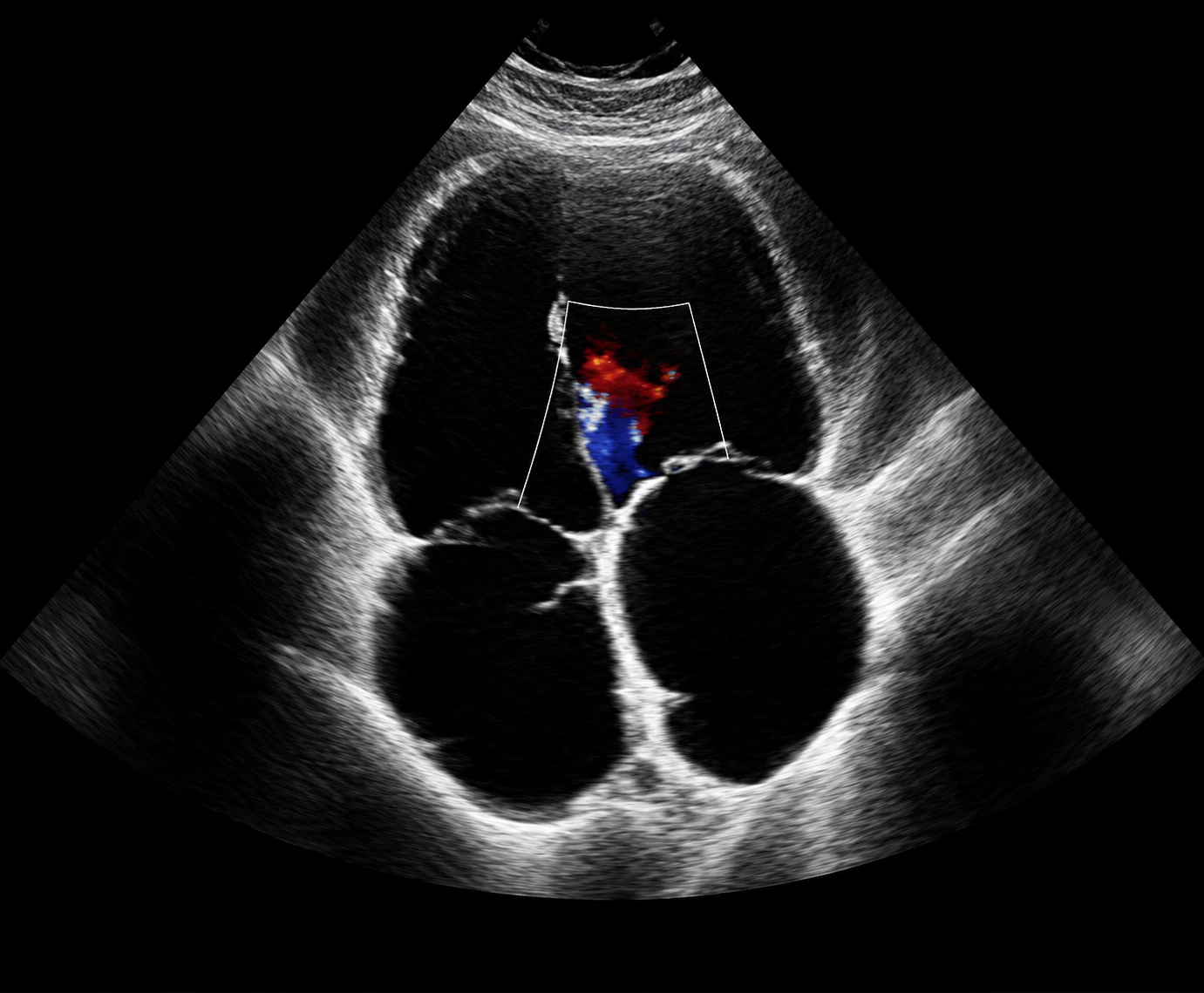
What Does an Echocardiogram Assess?
A 2D echocardiogram can evaluate the size and movement of the heart chambers, pumping function of the ventricles, appearance and movement of the valves, pericardium and selected major vessels. Doppler techniques can provide information about blood flow across valves and within the heart.
Why May It Be Advised?
Echocardiography may be requested for symptoms such as breathlessness, chest-related complaints, palpitations or swelling, or for evaluation of a heart murmur, hypertension, suspected valve disease, known cardiac disease and follow-up of previously identified abnormalities.
What to Expect
The patient usually lies on an examination couch while ultrasound gel is applied to the chest. Images are obtained from several standard positions. The examination is non-invasive and generally painless.
Preparation
Routine transthoracic 2D echocardiography usually requires no fasting or special preparation. Continue regular medicines unless the treating doctor has advised otherwise.
Reporting
Measurements and Doppler findings are interpreted together with the visual assessment of cardiac structure and function. The report should be considered along with the patient's symptoms, examination findings and other cardiac investigations.
Important Note
2D echocardiography provides valuable structural and functional information but does not replace clinical assessment or every other cardiac test. Further evaluation may be recommended depending on the findings and clinical situation.