
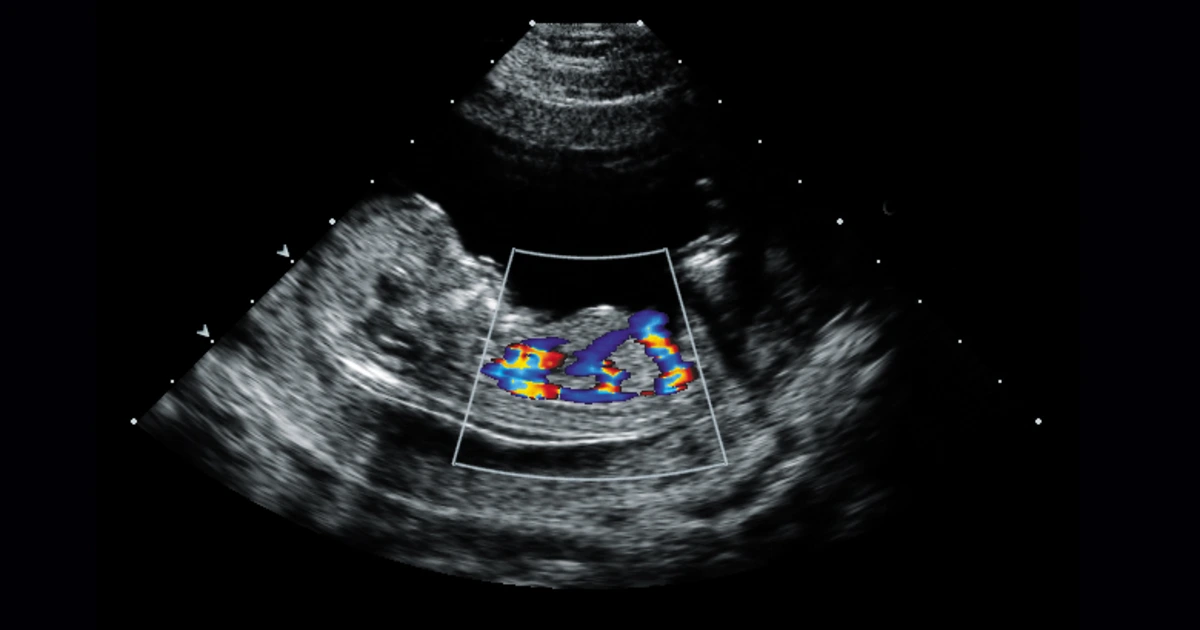
What Is Fetal Echocardiography?
The fetal heart is small and continuously moving. A fetal echocardiogram uses specialized ultrasound views, Doppler and real-time assessment to examine cardiac chambers, valves, major vessels, connections and blood-flow patterns in greater detail than a routine obstetric scan.
When May It Be Advised?
It may be recommended when there is a suspected cardiac finding on routine ultrasound, increased risk of congenital heart disease, certain maternal medical conditions, relevant family history, abnormal fetal screening findings, fetal rhythm concerns or other clinical indications.
What We Assess
The examination includes systematic assessment of cardiac position and axis, four-chamber anatomy, ventricular outflow tracts, three-vessel and three-vessel-trachea views, arches and major venous connections as technically feasible. Colour and spectral Doppler may be used to assess flow across valves and vessels, and fetal heart rhythm is evaluated.
Timing
The optimal timing depends on the clinical situation and gestational age. In some high-risk pregnancies, an earlier targeted examination may be followed by a detailed study later in pregnancy.
What to Expect
The study is performed through the mother's abdomen in a manner similar to a pregnancy ultrasound. Examination time varies because fetal position and movement can affect visualization. Occasionally, repeat imaging may be needed to complete the assessment.
Experience at Oasis
Fetal imaging is an important area of interest at Oasis Diagnostic Centre. Our radiologists place emphasis on systematic cardiac assessment, appropriate Doppler evaluation and clear communication of relevant findings.
Limitations
Even a detailed fetal echocardiogram cannot exclude every cardiac abnormality. Some small defects or conditions that evolve later in pregnancy or after birth may not be detectable prenatally.